We all have heard the phrase, “Prevention is better than cure.” Maintaining healthy well-being and undergoing regular health check-ups can prevent the onset of the disease, and easier than trying to tackle it when the situation is already on the verge of becoming complicated.
As you step into your 30s, managing your health becomes more important. With ever-growing work pressures and responsibilities, we tend to prioritize professional and familial obligations over our own health. This leads to neglecting essential aspects of health, such as regular exercise and balanced diets.
Here, regular health screenings can help identify potential issues before they develop into serious conditions. following are the 11 essential health tests that you must do n your 30s and 40s.
This blog highlights the essential tests and their importance for us.
Blood pressure Check
Checking blood pressure at home has become very accessible. With the help of portable blood pressure testing machines, we can do this crucial test at home. High blood pressure is a sign of a risk of heart ailment. Here, simple blood pressure test will come handy.
120—80 Normal
130-139 — 80-89 Stage-1 Hypertension
140+–90+ Stage-2 Hypertension
((Source- MayoClinic))
Work-related stress, inadequate sleep, poor eating habits, and weight gain can significantly contribute to rising blood pressure. According to Mayo Clinic,
- People age 18 to 39 with optimal blood pressure and no heart disease risk factors should have a blood pressure test at least once every 2 to 5 years.
- Those who are 40 years and plus- or youngsters with an increased risk of high blood pressure — should have a blood pressure test every year.
Blood pressure can be managed by controlling stress, regular exercise, a balanced diet and proper sleep.
Blood Test
Health experts say a simple blood test or CBC- Complete Blood Count can help diagnose a lot of underlying ailments. According to the Cleaveland Clinic in the United States, CBC helps measure amounts and sizes of your red blood cells, haemoglobin, white blood cells and platelets.
CBC is a routine test. Infections, medications, anaemia and cancer can cause abnormal results, says Cleaveland Clinic.
Lipid Profile
A lipid profile test helps measure the levels of fats in the blood, including total cholesterol, HDL cholesterol (good cholesterol), LDL cholesterol (bad cholesterol), triglycerides, etc. The level of cholesterol in your bloodstream determines if you are at rick of a heart disease.
According to Cleveland Clinic =,
- HLD cholesterol is called as “good” cholesterol. Its range should be more than 60.
- LDL cholesterol is called a “bad cholesterol”. This should be below 100.
Experts say if you are in your 30s and 40s, even if your lipid profile reports are normal, you should do a lipid profile test at least once in two years. If you are obese, suffering from diabetes or having a heart ailment, then this test should be done early
Blood Sugar Test
Monitoring blood sugar becomes very important once you hit your 30s and 40s. During this period, we are vulnerable to diseases like Diabetes. Diabetes is again related to a sedentary lifestyle. A blood sugar test should be done to rule out diabetes. Blood sugar is tested before breakfast and post lunch.
According to CDC,
Sugar levels in blood below 99 is considered normal
If sugar level is in the range of 100 to 125, it is a pre-diabetic situation
and if the sugar level is more than 126, then it is diagnosed as diabetes.
The average blood sugar levels over the past 2-3 months are measured by a test called HbA1c.
- Normal- less than 5.7%
- Pre-diabetes- 5.7-6.4%
- Diabetic- 6.5% and above
((Source: https://www.cdc.gov/diabetes/diabetes-testing/index.html))
LFT- Liver Function Test
According to the Mayo Clinic, Liver function tests are blood tests used to help find the cause of your symptoms and monitor liver disease or damage. The tests measure the levels of certain enzymes and proteins in your blood.
This test can detect the infection such as Hepatitis-B, Hepatitis-C, Fatty liver, etc. This test can be done annually.
Body Mass Index – BMI
Body Mass Index (BMI) is an estimate of body fat based on a person’s height and weight. A high BMI is considered as a warning sign. A high BMI can be a cause of obesity, which leads to heart ailment, cancer, diabetes and other diseases.
Pap Smear Test
Doctors perform Pap smear tests to look for cervical cancer. Cervical cancer is a cancer that starts as a growth of cells in the cervix. According to Cleveland Clinic, the test is named for an American physician, Dr. George Papanicolaou, who developed the Pap smear.
Experts recommend every sexually active woman after the age of 21 to undergo this test.
Anyone with a cervix between the ages of 21 and 30 should get a Pap smear at least once every three years. Between the ages of 30 and 65, you should have one every five years.
((source: https://my.clevelandclinic.org/health/diagnostics/4267-pap-smear))
Urine Test
To investigate more about Urinary tract infections, kidney disease and diabetes, Urine tests or Urine analyses are done. This is also a routine test.
थायरॉईड
According to the American Thyroid Association, adults should do this test when they turn 35. If everything is normal then this test is advised once a year.
ECG Test
ECG measures the electrical activity of the heart over a period of time and checks for the risk of heart issues. Experts say those who are over 35 years of age must do this test. If the ECG is well within the normal range, then this test is recommended once a year.
((This blog is created using information gathered from various online sources. For more personalized and detailed information, please consult your doctor or medical examiner. This is for information purpose only))

Image Source: Freepik
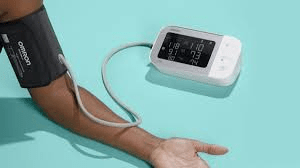
Image Source: Consumar Reports
 Mayank Bhagwat