With COVID-19 no longer classified as a global emergency, the world has begun to adapt to living with the virus. But healthcare experts are now gearing up for the possibility of a new pandemic known as ‘Disease X’, which they fear could be deadlier than COVID-19. But what is ‘Disease X’? Is it a potential threat? Do we need to worry about it? I attempted to compile all the available information on Disease X.

Image by Elliot Alderson from Pixabay
What ‘Disease X’?
The term ‘Disease X’ was initially coined by the World Health Organization (WHO), the apex health regulating body, five years back in 2018. WHO had prepared a list to identify the potential pathogens that could cause future pandemics. The name ‘Disease X’ was also included in it. In an interview given on WHO’s YouTube channel, Dr. Bernadette Murgue provided a detailed explanation of ‘Disease X’.
She said, “There is no disease called Disease X.” She added, “Disease X is a concept. Let’s say it’s a placeholder.” If we have a completely new disease or a disease we know but not enough, it suddenly emerges and becomes more severe or spreads everywhere, then we have a space to put it and know what we need to put out efforts in terms of research.
The WHO’s current list includes,
- COVID-19,
- Crimean-Cong haemorrhagic fever,
- Ebola virus disease
- Marburg virus disease,
- Lassa fever,
- Middle East respiratory syndrome (MERS)
- Severe Acute Respiratory Syndrome
- Nipah and henipaviral diseases,
- Rift Valley fever,
- Zika
- and Disease X.
According to the WHO, it’s important to note that “this is not an exhaustive list, nor does it indicate the most likely causes of the next epidemic.”
‘Disease X’ is not a disease?
YES! In simpler terms, Disease X refers to something unknown, and we have little to no knowledge about it.
The WHO defines it as “Disease X represents the knowledge that a serious international epidemic could be caused by a pathogen currently unknown to cause human disease. The R&D Blueprint explicitly seeks to enable early cross-cutting R&D preparedness that is also relevant for an unknown “Disease X”.
On a global scale, some health experts believed that COVID-19 was also considered a candidate for Disease X because of our initial lack of knowledge about the novel coronavirus. In May 2023, the WHO declared the end of a global emergency related to COVID-19. But, days after, WHO’s Director General Dr. Tedros Ghebreyeus issued a stern warning while addressing the health experts.
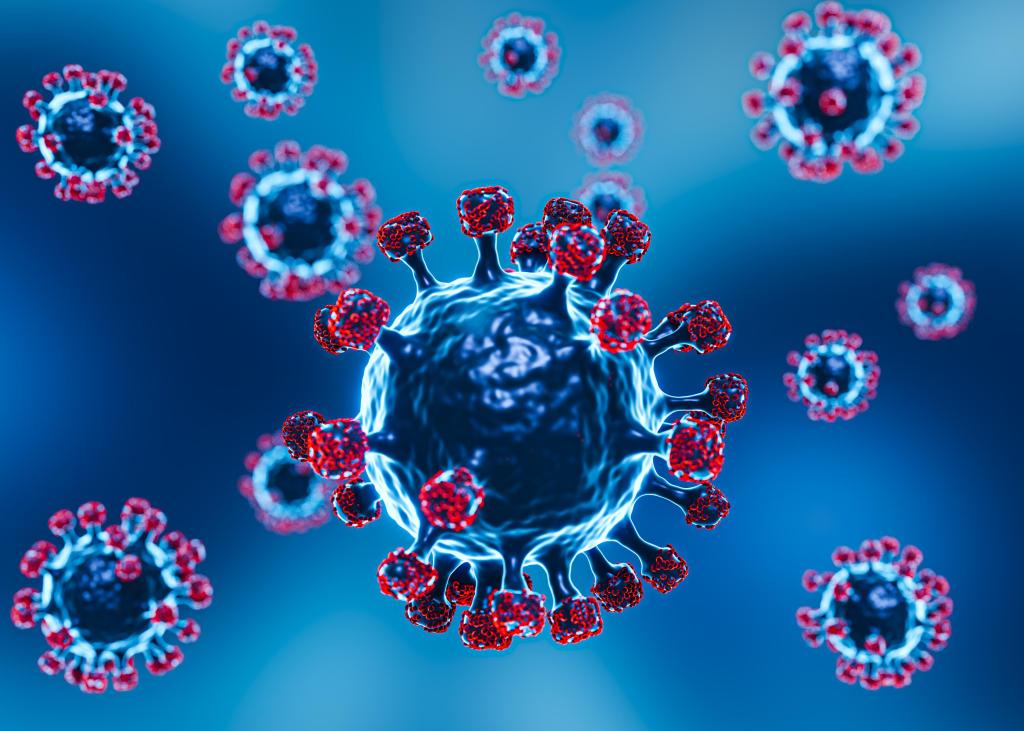
Image by Freepik
He said, “When the next pandemic comes knocking, and it will. We must be ready to answer decisively, collectively and equitably.”
Health experts believe that Disease X will be a Zoonotic Disease, originating from animals and then passed over to humans. Speaking about Disease X, Dr. Ghebreyeus said, “We all know COVID-19 is not the last disease X. We have to come together, so, when it comes, we will be ready to fight against it.”
On being asked about the WHO’s list,
Dr Murgue added, “The list is our way to prioritise our efforts on certain diseases that have potential to give rise to a severe epidemic for which we don’t have enough or no countermeasures. Meaning no drugs and vaccines.”
The WHO underscores the need for more focused research and development on the specific group of diseases.
In 2022, Dr Tedros during his presentaion in front of the executive borad said,
“I will continue to urge leaders to act with ambition so that negotiations are swift and we are ready to respond to the inevitable next Disease X. “
Disease X a warning…
Since the WHO introduced the term, Disease X has been a subject of global discussion among infectious disease experts. However, just last week, Disease X unexpectedly became a trending topic on social media. The reason behind this surge in interest was the release of the new book by renowned scientist and former chair of the UK’s vaccine task force, Kate Bingham. According to the Economic Times, in her new book, Kate Bingham has issued a warning about the potential for the future, even deadlier pandemic. In a prominent UK newspaper, the Daily Mail, excerpts from the book The Long Shot have been published. It reads, “Let me put it this way: the 1918–19 flu pandemic killed at least 50 million people worldwide, twice as many as were killed in World War I. Today, we could expect a similar death toll from one of the many viruses that already exist.” It adds, “Imagine Disease X is as infectious as measles with the fatality rate of Ebola. Somewhere in the world, it’s replicating, and sooner or later, somebody will start feeling sick.”
Why ‘Disease X’ is a challenge?
Indeed, Disease X represents a significant challenge for global health experts. The reason for this challenge is Disease X is still an unknown entity. Dr Pranab Chatterjee from the Department of Internal Health at Hopkins Bloomberg School of Public Health has put together a comprehensive presentation highlighting the challenges associated with Disease X. He says,
- 25 families of viruses can potentially infect human beings
- Estimated 1.67 million unknown viruses
- Estimated 631,000 to 827,000 unknown viruses have the capacity to infect human beings
According to Dr. Chatterjee’s opinion, the origin of the Disease X pathogen is likely to be zoonotic. He further offers his perspective that Pathogen X is likely to emerge in tropical, LMIC settings with high biodiversity and experiencing anthropogenic land-use changes2.
Why is research such a great significance?
The elusive nature of Disease X underscores the significance of research.
The WHO statement reads, “Worldwide, the number of potential pathogens is very large while the resources for disease research and development (R&D) are limited.”
The WHO has launched a global scientific process to update the list of priority pathogens—agents that can cause outbreaks or pandemics—to guide global investment, research and development (R&D), especially in vaccines, tests and treatments. Over 300 scientists will consider the evidence on over 25 virus families and bacteria, as well as Disease X. As reported by the BBC, the British Government has initiated a study to develop countermeasures against Disease X. At the vaccine research centre at Porton Down, in the UK, approximately 200 researchers and scientist are dedicated to vaccine research.
The world has witnessed the devastating impact of COVID-19, with hundreds and thousands of lives lost during the pandemic. Health experts caution that we must not turn a blind eye to the looming threat of the even deadlier pandemic.
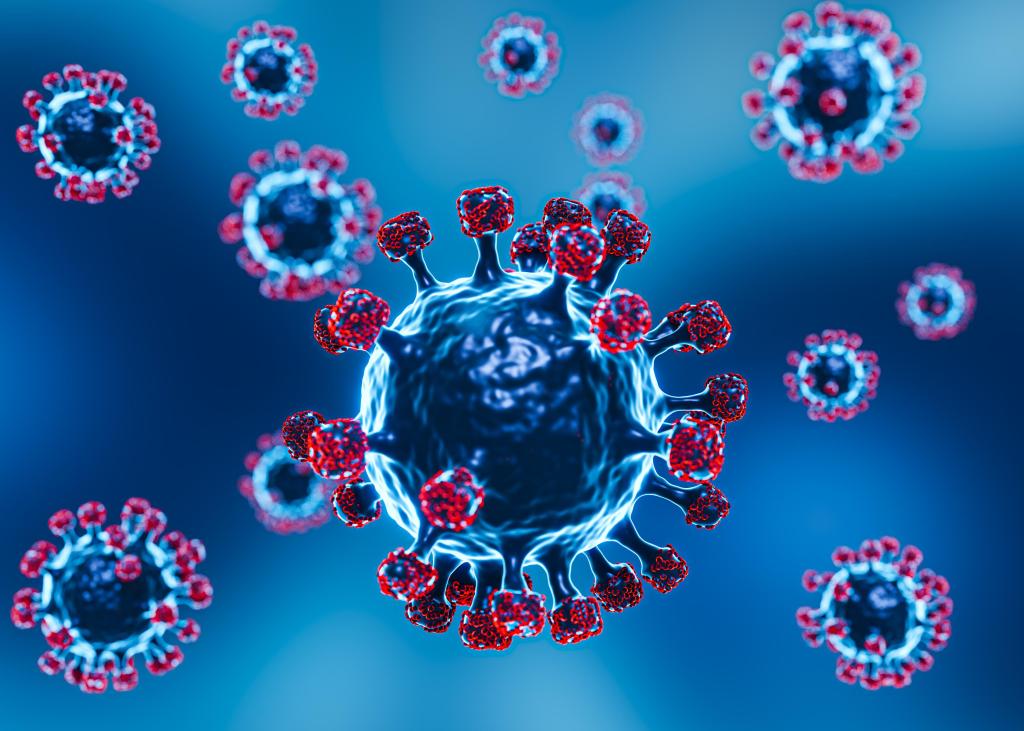
Image by Freepik
 Mayank Bhagwat